Pinellas County, Florida — Hurricane Preparedness Guide
Your home is your biggest
investment. A little prep
goes a long way.
Pinellas County is one of Florida's most beautiful — and most hurricane-vulnerable — places to live. Whether you're a full-time resident or own a second home on the Gulf Coast, preparing now is the most important step you can take before storm season arrives.
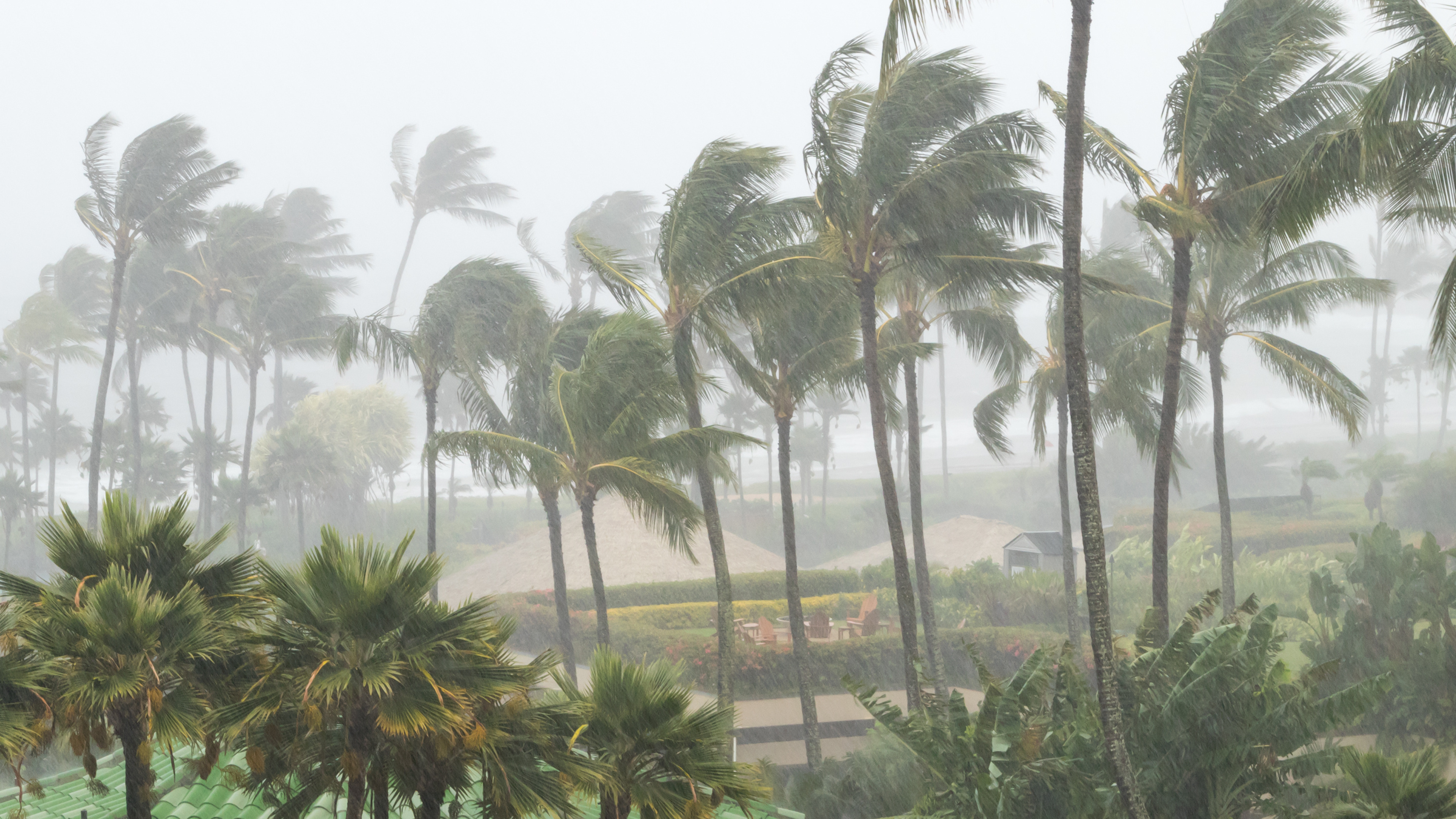
Storm Season Preparation
The Hurricane-Ready Home Checklist
Use this timeline-based checklist to work through preparation in manageable phases — from early-season home hardening to final storm-day steps.
1–2 Weeks Before Season
Protect Your Property
- Inspect and clean gutters and downspouts
- Trim trees and remove dead or overhanging branches
- Check roof for loose or damaged shingles
1–2 Weeks Before Season
Stock Up & Secure Documents
- 7-day water supply — 1 gallon per person per day
- Non-perishable food for at least one week
- First-aid kit, flashlights, and extra batteries
72 Hours Before Storm
Final Property Steps
- Test hurricane shutters or panels — do a full install practice run
- Test garage door reinforcement
- Inspect fencing, gates, and outdoor structures
- Photograph entire property for insurance documentation
- Locate water shut-off valve and electrical panel
- Battery-powered or hand-crank weather radio
- Refill prescriptions — 30-day supply minimum
- Keep portable power banks charged
- Cash in small bills on hand
- Review flood & homeowner's insurance — call your agent today
72 Hours Before Storm
Secure the Outdoors
- Bring in all patio furniture, umbrellas, grills, and planters
- Install hurricane shutters or board all windows
- Move vehicles to higher ground if flooding is possible
- Fill all vehicle gas tanks — stations will be crowded
- Charge all electronics and fill power bank units
- Test generator; confirm fuel is safely stored outdoors
- Freeze containers of water to extend refrigerator cold time
24 Hours Before Storm
Final Preparations
- Store important documents in a waterproof container or cloud backup
- Complete all outdoor preparations — nothing left unsecured
- Set refrigerators and freezers to their coldest settings
- Move valuables away from windows and ground-floor areas
- Fill bathtubs with water for sanitation use
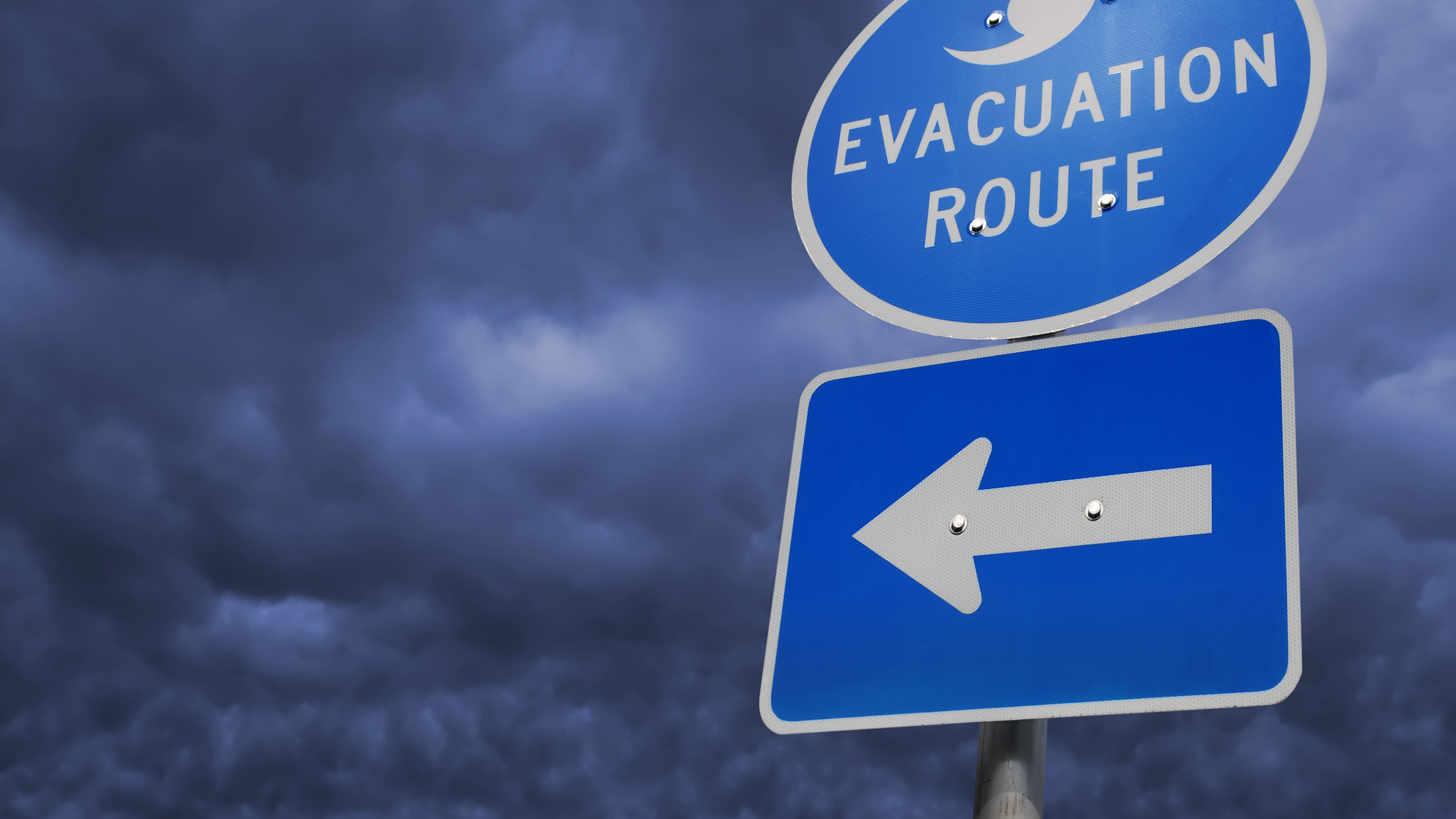
- Confirm your evacuation route — know your alternates
- Check on elderly neighbors and family members
- Monitor Bay News 9, WFLA, and Alert Pinellas
- If ordered to evacuate: leave early, do not wait
If Evacuation Is Ordered
When to Go — and How
- Leave immediately. Do not wait for conditions to worsen
- Bring medications, IDs, chargers, and your go-bag
- Follow official Pinellas County evacuation routes only
- Turn off utilities if instructed by local authorities
- Lock all doors and windows before departing
- Notify an out-of-state contact of your destination
- Know your pet-friendly shelter options in advance
After the Storm
Safe Return & Recovery
- Do not return until authorities issue the all-clear
- Avoid all downed power lines — assume they are live
- Document all property damage with photos before any repairs
- Contact your insurance company promptly
- Watch for floodwater hazards and hidden debris
- Use generators outdoors only — carbon monoxide is lethal indoors
- Follow official guidance on re-entry and water safety
- Check on vulnerable neighbors once it is safe to do so
- Use a licensed contractor before any structural repairs
Get the Full Printable Checklist
The complete EV Hurricane-Ready Home Checklist, optimized for Pinellas County homeowners — free to download and share.
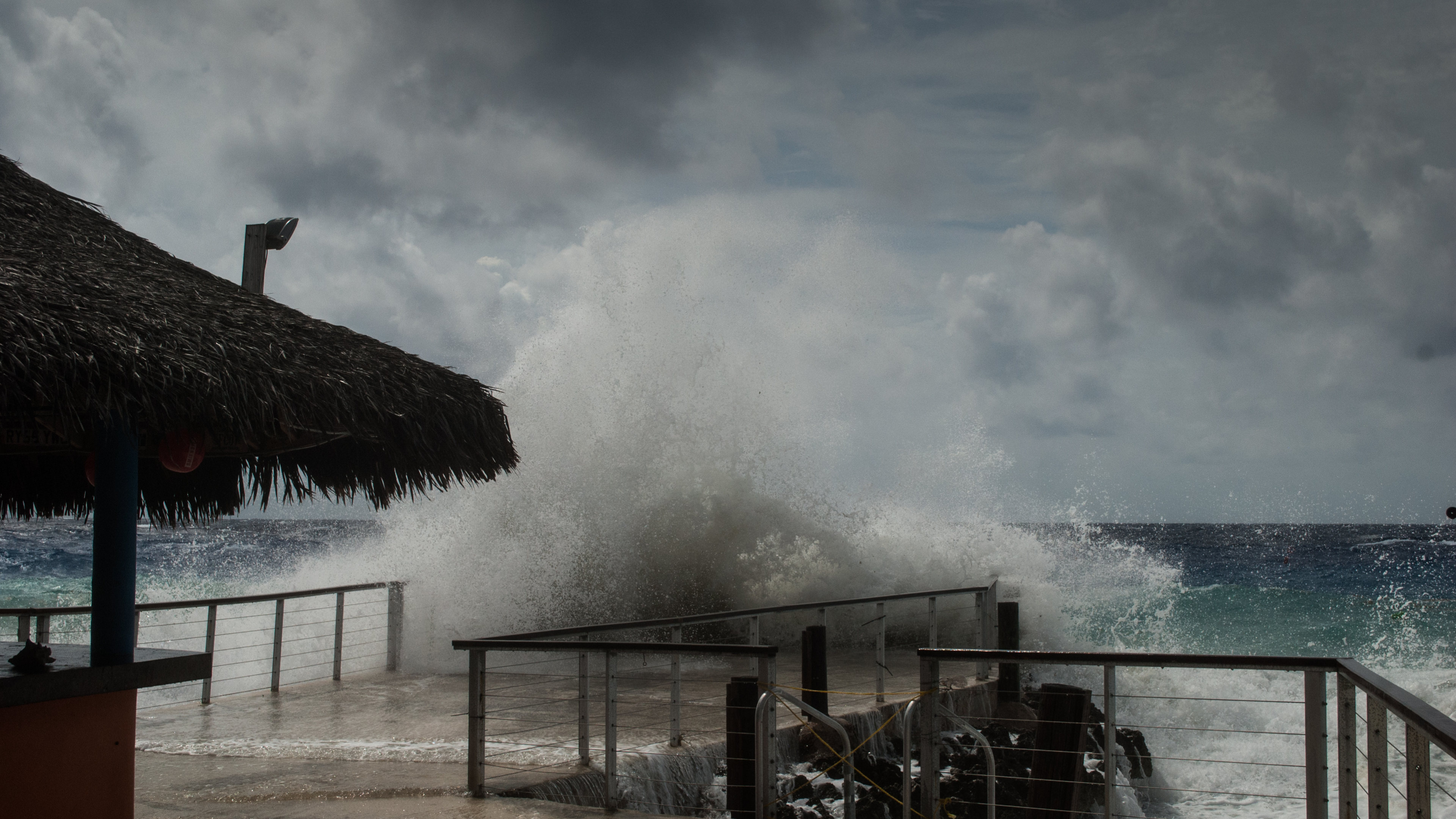
A Note from the Coast
Pinellas County is a narrow peninsula. When evacuation routes flood, there are no shortcuts.
Storm surge — not wind — is the most dangerous and deadly threat in Pinellas County. Coastal residents in Zone A can be inundated within hours. Understanding your zone is not optional. It is the foundation of every other plan you make.
Pinellas County, Florida
Local Emergency Resources
These are the official, trusted resources for Pinellas County residents and property owners. Bookmark them now — access may be limited once a storm approaches.
County Emergency Management
Evacuation Planning
Know Your Zone Before a Storm Develops
Pinellas County Emergency Management
Official hub for storm alerts, preparedness guides, and shelter information
(727) 464-2500 — Emergency Management
Weekday main line; monitor website for after-hours storm updates
Free emergency notification system — phone, text, and email alerts
Look up your address and zone letter — save it now
Comprehensive preparedness resources and shelter finder
Florida Division of Emergency Management
Statewide evacuation and shelter mapping tool
Emergency Shelters
Pinellas County Shelter Information
Utilities & Flood Insurance
Stay Connected & Covered
Official Shelter List & Locations
Includes general, special-needs, and pet-friendly shelters
Pre-registration required — do not wait until a storm is named
American Red Cross Shelter Finder
Real-time open shelter locations across the region
Track power restoration progress after the storm
Tampa Bay Water — Boil Water Alerts
Monitor for water safety notices in the days following a storm
FloodSmart.gov — NFIP Information
National Flood Insurance Program — find licensed agents
Don't Know Your Zone? Look It Up Right Now.
Pinellas County uses zones A through E based on storm surge risk. Zone A includes much of the beach communities — Clearwater Beach, Belleair Beach, Madeira Beach, St. Pete Beach, and Treasure Island. If you live or own property in any of these areas, assume Zone A evacuation orders apply to you. Do not wait for a storm to be named.
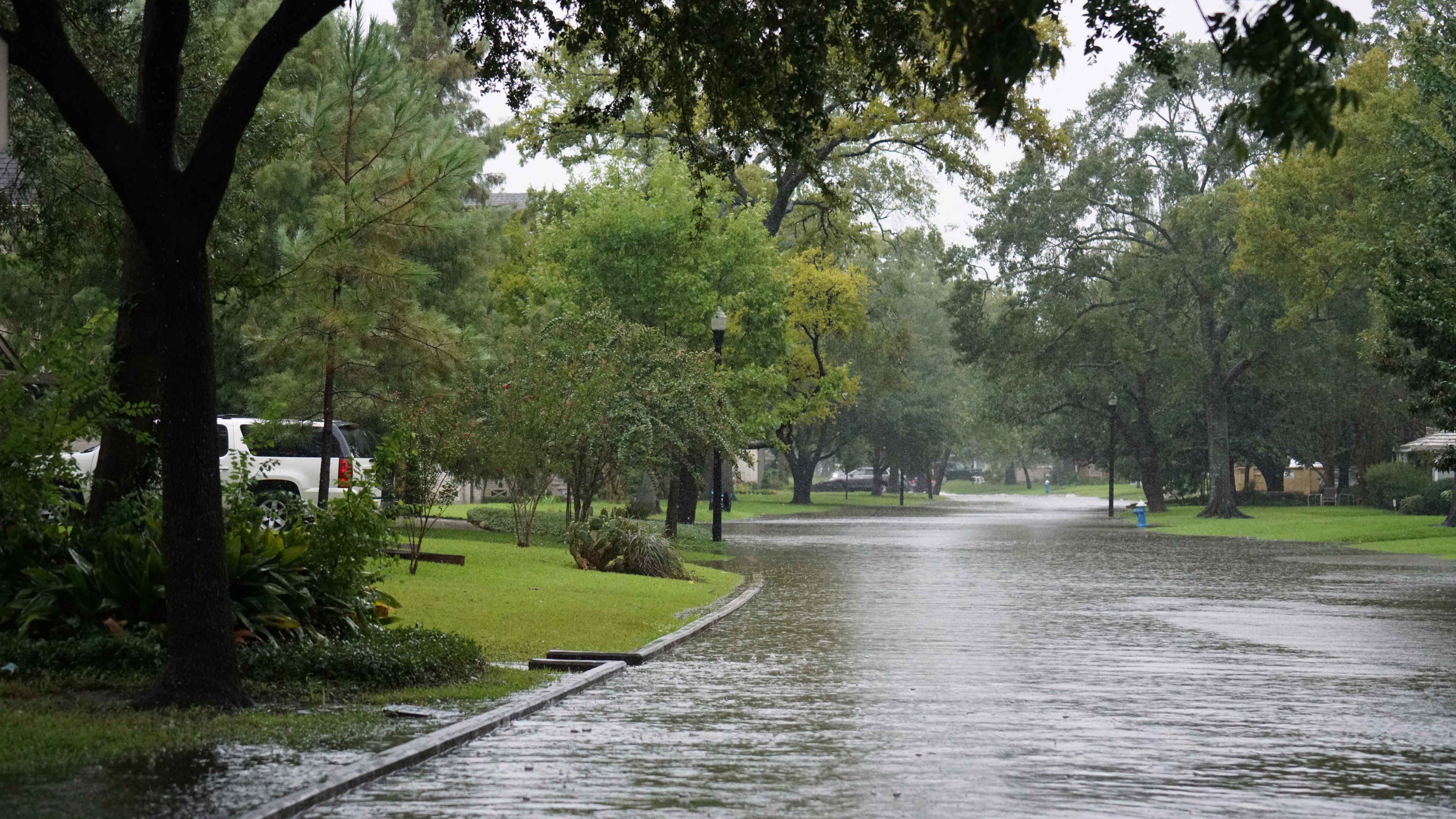
Trusted Local & National Sources
Where to get your storm information
-
Bay News 9
24-hour local news with dedicated hurricane tracking, radar, and storm surge modeling for Tampa Bay and Pinellas County. The go-to channel during an active storm threat. baynews9.com
-
WFLA
WFLA News Channel 8 (NBC)
NBC affiliate with an extensive storm team and live continuous coverage during hurricane threats and landfall. Strong on surge modeling and track analysis. wfla.com
-
WTSP
WTSP 10 Tampa Bay (CBS)
CBS affiliate covering Pinellas and Hillsborough with a dedicated weather team and detailed storm surge analysis. Reliable source for local impact forecasting. wtsp.com
-
NHC
National Hurricane Center — Your Primary Authority
The NHC issues advisories every 6 hours — every 3 hours within 48 hours of landfall. The cone of uncertainty is widely misread: storms frequently track outside it. Watch surge maps and watches/warnings — not just the track line. Bookmark this site before June 1. nhc.noaa.gov
For Non-Resident Property Owners
You don't have to be here to be prepared.
Thousands of Pinellas County homeowners live out of state. Whether your property is a primary investment, a vacation home, or a long-term rental, here is how to prepare remotely and protect what you own.
- 1
Establish a Trusted Local Contact Now
Appoint someone — a neighbor, property manager, or your EV agent — who has a key, knows your property's layout, and can be reached at any hour. This relationship is worth more than any checklist when conditions deteriorate rapidly.
- 2
Install Permanent Protection Before Season Begins
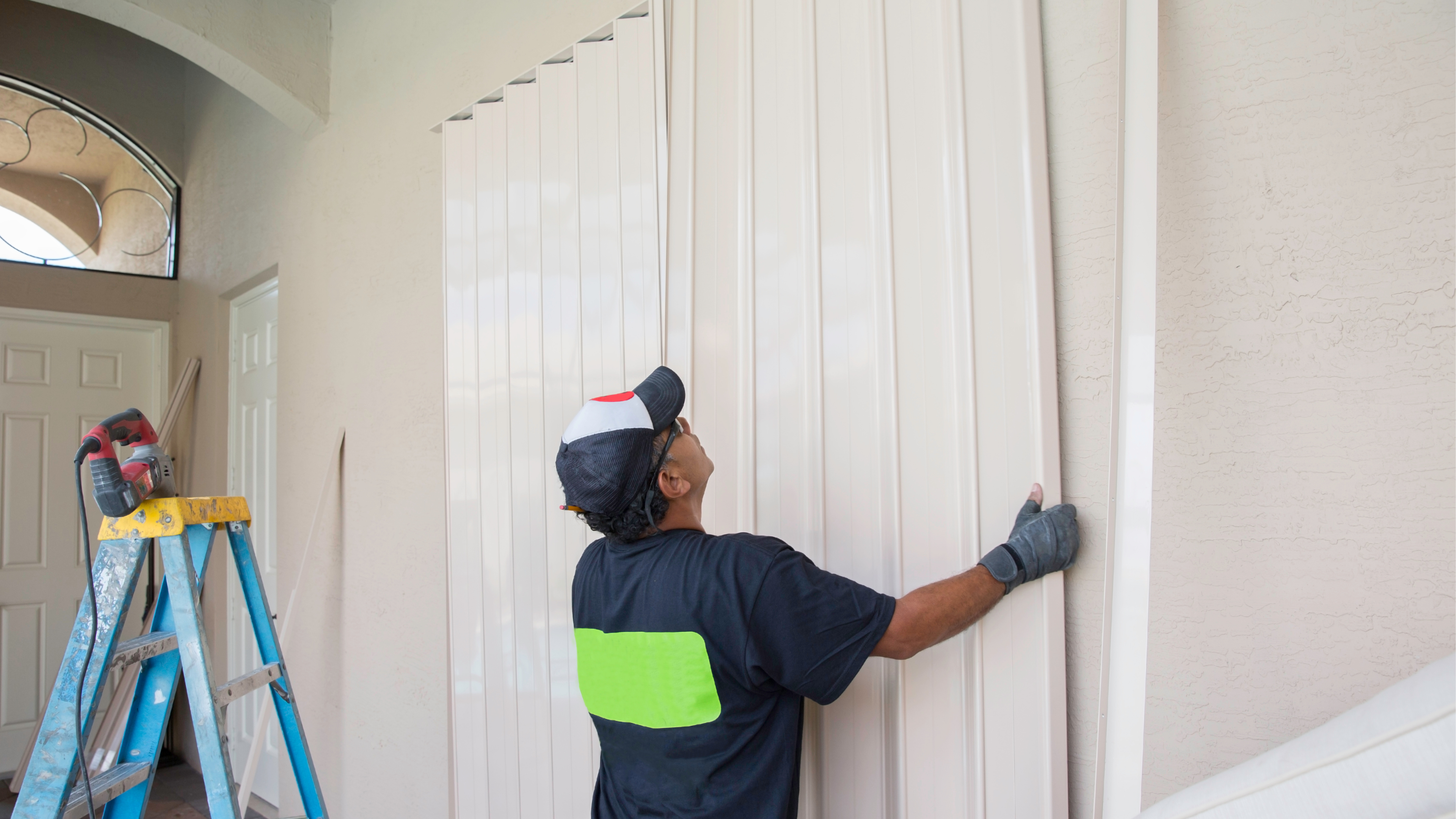
Impact-resistant windows and permanent hurricane shutters are the most reliable options for absent homeowners. Accordion or roll-down shutters can often be closed by a local contact. Avoid plywood — it requires someone on-site and takes hours to install under pressure.
- 3
Monitor Remotely with Technology
Install weatherproof smart cameras with local battery backup to monitor your property before and after a storm. Pair this with a Weather Underground PWS weather station near your address for hyper-local conditions during and after a storm event.
- 4
Review Your Insurance Coverage Annually
Florida homeowner's and flood insurance are separate policies — many owners discover gaps only after a loss. Flood insurance through the NFIP carries a 30-day waiting period before coverage activates. Do not purchase it when a storm is already forming. Call your agent before June 1.
- 5
Know Your Evacuation Zone — Even If You're Not There
Your zone affects whether tenants or caretakers should evacuate, and it affects insurance claims and post-storm re-entry timing. Look up your property now at pinellas.gov/evacuationzones.
- 6
Coordinate Post-Storm Property Assessment
After the storm, your local contact should document all damage with photographs before any cleanup or temporary repairs begin. Share images with your insurance adjuster within 24–48 hours. Keep all receipts for emergency expenditures — these may be reimbursable. Your EV team can connect you with licensed, trusted local contractors.
Trusted Vendor Categories
Local professionals to identify before storm season
For out-of-state owners, knowing the right vendor categories in advance is critical. Ask your local EV contact for referrals to licensed, insured professionals in each area.
Window & Shutter
Hurricane Shutter & Impact Window Installers
Licensed contractors for accordion shutters, panel systems, and impact-rated windows. Permanent solutions are best for absent homeowners.
Roofing
Licensed Roofing Contractors
Pre-season roof inspections and post-storm tarping and repair — use licensed, local professionals only. Avoid storm chasers soliciting door to door after a storm.
Tree Service
ISA-Certified Arborists
Pre-season trimming of overhanging branches and hazardous trees before they become projectiles. Ideally completed by May 31 each year.
Property Management
Local Property Managers
Year-round oversight, pre-storm preparation coordination, tenant communication, and post-storm damage documentation on your behalf.
Generator & Power
Licensed Electricians & Generator Service
Standby generator installation, seasonal maintenance, and post-storm electrical inspection by licensed electricians familiar with Pinellas County code.
Insurance
Florida-Licensed Independent Insurance Agents
Agents who can review both homeowner and flood policies and identify coverage gaps well before a storm event — not after a loss.
Frequently Asked Questions
What Pinellas County homeowners ask most
What is my evacuation zone and when does it apply?
Pinellas County uses five zones — A through E — based on storm surge risk. Zone A carries the highest risk and is ordered to evacuate first, often 24–48 hours before landfall. Look up your zone by address at pinellas.gov/evacuationzones. Evacuation orders issued by the Pinellas County Administrator are legally mandatory during a declared emergency — not optional recommendations.
Does my homeowner's insurance cover flood damage?
No. Standard homeowner's insurance policies in Florida do not cover flood damage. Flood coverage requires a separate policy — most commonly through FEMA's National Flood Insurance Program (NFIP) or a private flood insurer. NFIP policies carry a mandatory 30-day waiting period before coverage takes effect. Do not wait until a storm is forming to purchase or review your policy.
What is storm surge, and why is it more dangerous than wind?
Storm surge is an abnormal rise of water above normal tide levels generated by a hurricane's winds and low pressure pushing ocean water onshore. In Pinellas County, surge can reach 10–15 feet or more in a major storm event — capable of inundating entire neighborhoods within hours. Unlike wind damage, storm surge cannot be escaped by sheltering in place on the ground floor. It is the leading cause of hurricane fatalities in coastal Florida.
What if I can't evacuate in time?
If evacuation is no longer safe, shelter in place in the strongest interior room of your home — away from windows, on the highest floor if flooding is a risk. Bring your emergency kit and keep your phone charged. If you are in Zone A or B, you should have evacuated before reaching this decision point. Call 911 only in a life-threatening emergency. Wait for the official all-clear before going outside — downed power lines and floodwater remain lethal after winds subside.
How do I sign up for emergency alerts?
Alert Pinellas is the county's free emergency notification system. Register at pinellas.gov/alert-pinellas to receive alerts by phone, text, and email. Also download the FEMA App and Florida Disaster App for statewide updates. Make sure your phone's Wireless Emergency Alert settings are enabled — these push notifications to all devices in a geographic area automatically.
When should I buy flood insurance if I don't have it?
Today — before June 1. NFIP flood policies carry a mandatory 30-day waiting period before coverage activates. Private flood insurance may offer shorter waiting periods. Contact a licensed Florida insurance agent to compare options. Even properties outside designated high-risk flood zones can flood — more than 20% of NFIP claims come from low-to-moderate risk areas.
What are the pet shelter options in Pinellas County?
Pinellas County operates pet-friendly shelters during declared evacuations. These facilities accept cats and dogs but require up-to-date vaccination records and carriers. Visit pinellas.gov/hurricane/shelters or call Pinellas County Emergency Management at (727) 464-2500 for current locations and requirements. Not all shelters accept animals — plan for pets before a storm is named.
As an out-of-state owner, how do I file an insurance claim remotely?
Contact your insurance company immediately — most have 24-hour claims lines and mobile apps for photo uploads. Have your local contact document all visible damage before any cleanup or temporary repairs begin. Keep all receipts for emergency expenditures, as these may be reimbursable. Most policies require prompt notification of loss. The EV Belleair team can help coordinate local documentation support and connect you with a licensed public adjuster if needed.

Karen Crotty
Real Estate Advisor, REALTOR® | Engel & Völkers Belleair
Karen Crotty is a trusted REALTOR® serving buyers and sellers throughout Pinellas County — including Clearwater, Clearwater Beach, Belleair, Largo, Safety Harbor, Dunedin, Palm Harbor, Seminole, St. Petersburg, and St. Pete Beach.
Before real estate, Karen spent 20 years in healthcare — including 15 years in the ICU. The calm focus, critical thinking, and deep empathy she developed there now define her approach with every client. She specializes in guiding seniors, downsizers, and families navigating major life transitions, offering the patience and expertise these deeply personal moves require.
For Karen, luxury is not a price point — it is the level of service. Whether you need guidance preparing your Pinellas County home for hurricane season or are navigating the sale or purchase of a property, her mission is the same: to help every client feel supported, informed, and proud to love where they live.
Ready to prepare your Pinellas
County home for hurricane season?
Let's talk through your property — no obligation, no pressure.
Pinellas County homeowners deserve clarity before a storm is on the radar.
Content accurate as of June 2026. This page is for informational purposes only and does not constitute legal, insurance, or emergency management advice. Always follow official Pinellas County Emergency Management guidance during an active storm event. Karen Crotty is a licensed Florida real estate professional with Engel & Völkers Belleair.